
Smart lighting has gone from being a high-end novelty to something genuinely useful in everyday Sydney homes. The price has dropped, the apps are easier, and the integration with voice assistants like Google Home and Alexa now actually works without constant troubleshooting. After installing smart lighting setups across Sydney from the city out to the Hills District, here’s a clear look at the smart lighting control systems options worth considering for an Australian home, and what’s actually worth the spend.
What “smart lighting” actually means

A smart lighting system gives you control over your lights from somewhere other than a wall switch. That can mean dimming the lounge from your phone, scheduling kids’ bedroom lights to come on at 6:45am, changing the colour temperature in the kitchen from cool work-light to warm dinner-light, or having the whole house go dark when you say “goodnight” to a smart speaker.
The control sits in one of three places: in the bulb, in the switch, or in a dedicated hub. Each creates a very different setup, and choosing the wrong one is the biggest reason people end up frustrated with smart lighting six months later.
Smart bulbs (the easiest entry point)
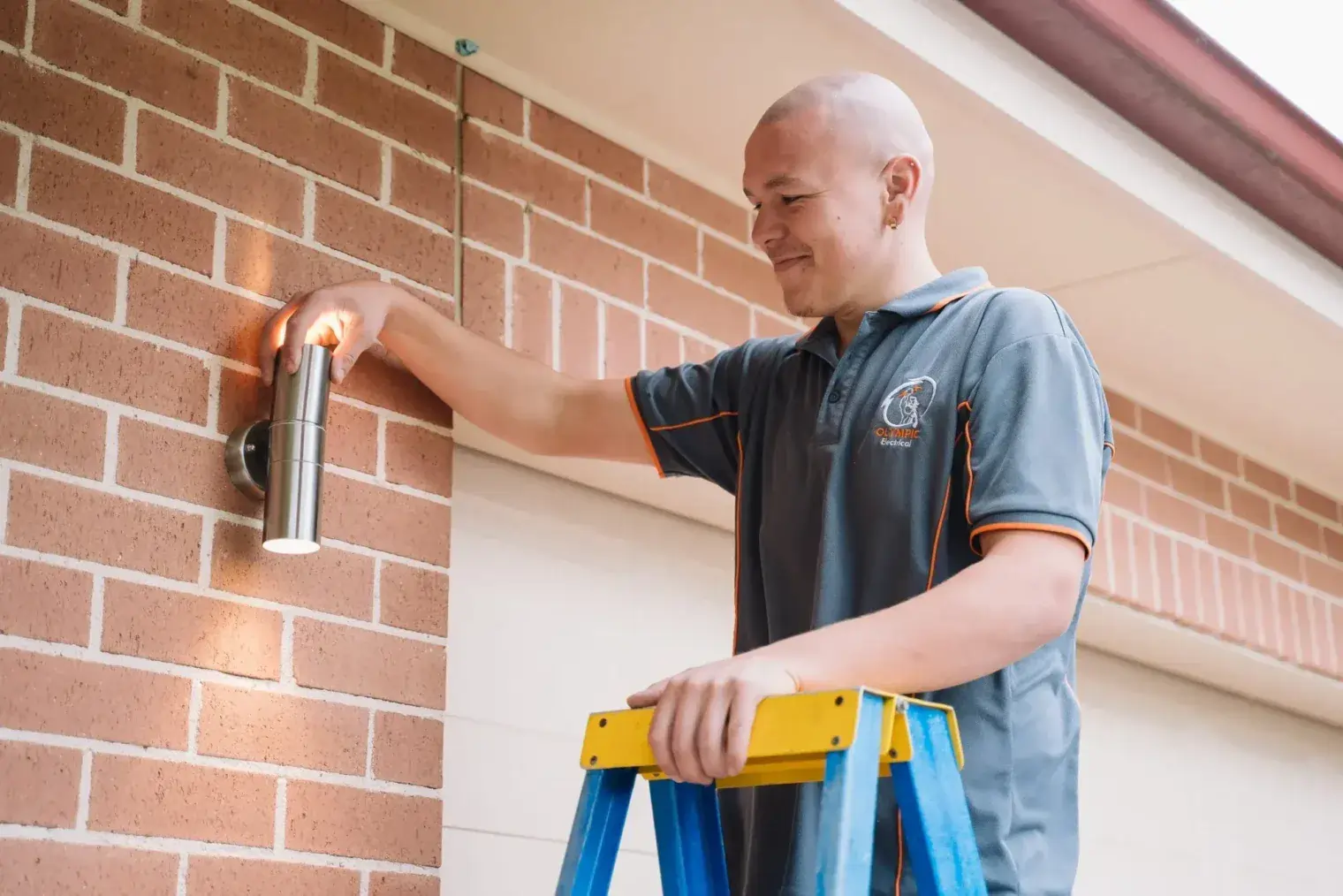
Smart bulbs like Philips Hue, LIFX (an Australian brand), and Wiz screw straight into your existing fittings and connect to Wi-Fi or a small hub. No electrician needed, no wiring changes, just swap the bulb and download the app.
The pros: most affordable entry point, full colour and dimming control on every bulb, easy to expand. The cons: every bulb needs constant power, so flicking the wall switch off cuts the bulb’s smart features. They also work best in lamps and downlights rather than complex chandeliers. We’ve seen smart bulbs struggle in older Sydney apartments with weak Wi-Fi at the back of the unit, so check coverage before buying a dozen.
Best for: renters, apartment dwellers, and anyone wanting smart control in one or two rooms without rewiring.
Smart switches (the proper integrated option)

Smart switches replace the wall switch itself, leaving your existing bulbs and fittings in place. Australian brands like Clipsal Wiser, plus international options like Lutron and Shelly, sit behind your wall plates and give you app control, scheduling, and voice control while keeping the wall switch fully functional.
This is the option most Sydney homeowners end up preferring once they’re past the experimentation stage. The lights still work the old-fashioned way for guests, the bulbs themselves can be any standard LED, and the system feels invisible rather than tech-heavy. Most customers who start with smart bulbs end up switching within a year or two, mainly because of the wall-switch problem.
Best for: homeowners doing renovations, building new, or wanting a permanent setup without changing every bulb.
Whole-home control systems (the high-end option)

For larger homes, custom builds, or anyone who wants every light, blind, and AV system on one platform, dedicated systems from Lutron RadioRA, Control4, and Clipsal C-Bus offer professional-grade control. These are wired in by a licensed electrician at the time of build or major renovation, and tie into a central controller that runs the whole house.
The setup cost is significantly higher (often ten thousand dollars and up), but the result is rock-solid reliability, custom keypads in place of wall switches, and one app that controls everything from front porch lights to the cinema room.
Best for: new builds, major renovations, and homeowners who want a polished, future-proofed setup. Our team can help you plan smart lighting installation as part of a renovation or fit-out, so the wiring and controls are designed in from day one.
Choosing the right system for your home
A few practical questions to ask before buying:
How many rooms do you actually want smart? One or two suits smart bulbs. Whole house suits switches or a hub system.
Are you renovating or doing electrical work soon? If yes, smart switches or a wired hub are the smart choice while walls are open.
Do you want the lights to still work for non-tech-savvy guests? Smart switches keep the wall control intact. Smart bulbs do not.
How important is voice control? All three options support Google Home and Alexa, but performance varies. Hub-based systems tend to be the most reliable.
A few common pitfalls to avoid
Mixing too many brands. Each ecosystem has its own app, and managing five apps is worse than not having smart lighting at all. Stick to one main brand where possible.
Skipping the neutral wire check. Many smart switches need a neutral wire in the wall box, which older Sydney homes built before the 1990s often don’t have. A licensed electrician can confirm this in a five-minute site visit.
Buying affordable unbranded bulbs. They drop offline, refuse to update, and often stop working after twelve months.
Ready to plan your smart lighting setup?

If you’d like help choosing the right smart lighting system for your Sydney home, get in touch with our team for a free quote. We’ll walk through your home, check your wiring, and recommend a setup that suits your space and budget.
