
Power outages are stressful, but real panic hits when you discover your emergency lights fail at the very moment you need them. For Sydney homes and businesses, that’s not just frustrating, it’s a serious safety and compliance risk.
Emergency lighting testing might seem straightforward, but it’s governed by strict standards, regulatory requirements, and easily misunderstood legal obligations. Miss a step and you’re not just risking fines, you’re risking the safety of everyone in the building when a real emergency strikes.
At Olympic Electrical, we understand Sydney property owners need clear answers, not complications. We help you stay safe, legal, and fully covered – without the guesswork or stress.
When Emergency Lighting Requires Professional Testing
Discovering your emergency lights fail when it matters isn’t just inconvenient — it’s dangerous. Too many Sydney buildings skip crucial testing intervals, only to find out the hard way that their systems can’t perform. From failed batteries to faulty fittings, emergency lighting is no place for shortcuts. Consistent, professional testing isn’t a box-ticking exercise; it’s what ensures a safe, orderly evacuation instead of confusion and risk when every second counts.
Overview of Emergency Light Testing Needs
Emergency lights must activate the moment normal power fails, and that depends on a reliable battery backup. Each test verifies your system performs exactly as it should, whether it’s a storm outage or a sudden blackout. We simulate real power failures to confirm that lights switch on instantly and remain operational for the minimum 90-minute requirement. Our technicians assess every charging indicator, battery cell, and LED fitting to ensure your emergency lighting is compliant, dependable, and ready when it matters most.
How Often Should Emergency Lights Be Tested
Lights tucked away in ceilings can quietly fail without any visible signs. That’s why Australian law calls for two in-depth tests a year. We follow clear schedules, logging each inspection and result with detailed entries. This ensures there’s no confusion and a consistent routine is maintained. You’ll always have certified inspection records – ready when auditors or officers come knocking.
Regulatory Standards Governing Testing
Emergency lighting in NSW must comply with strict requirements under AS 2293.2 and the National Construction Code. This isn’t just paperwork — failing to meet these standards can result in serious fire safety breaches and legal consequences. Our licensed electricians understand the details behind every clause and test procedure, applying them with complete precision. Whether it’s a warehouse, office, or small retail space, we ensure your emergency lighting meets full regulatory and fire safety compliance every time.
Role of Licensed Electricians in Emergency Light Testing
Professional testing keeps both tenants and insurance policies safe. Not just anyone can perform or sign off on emergency light testing. It requires certification, a strong understanding of electrical codes, and a trained eye for detail. That’s where we step in proudly – backed by 25 years of licensed duty and Sydney-wide exposure.
Why a Licensed Electrician Is Essential
Testing isn’t just flicking a switch – legal obligations demand certified, precise assessments. We handle tagging procedures and reporting so you’re always audit-ready. Each report we generate is clear, properly logged, and formatted per local compliance rules. It’s work that must be done by licensed professionals with electrical safety knowledge – not basic maintenance staff.
Can Property Managers or Owners DIY Test?
It might sound like a smart move to test lights with a basic key switch, but there are limits. Self-testing systems don’t evaluate full battery discharge or internal wiring problems. We’ve seen cases where lights passed a DIY test but failed under real conditions – leading to serious risks and legal exposures. It’s just not worth the shortcut.
Services Provided by Electricians During Testing
Our licensed team performs hands-on load testing, checks charge rates and looks for visual fatigue or fitting failure. If we find an issue, we replace units, reset faults and get your system reliable again. You’ll always get a complete overview of what we fixed and how it’ll keep your building safe.
Key Areas Where Emergency Lighting Is Required
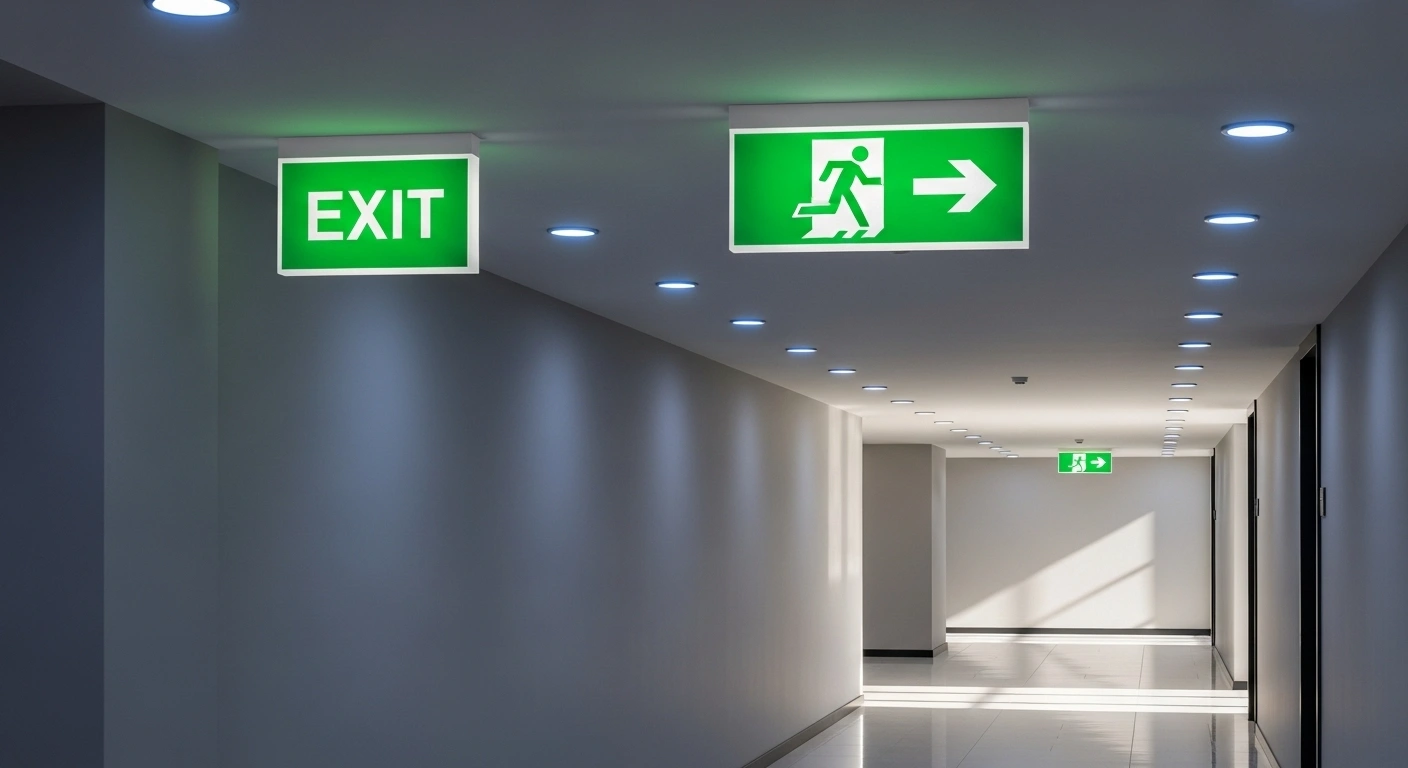
Emergency lights are mandatory in more places than you’d expect. Commercial spaces, car parks, public facilities and multi-residential dwellings all fall under compliance needs. We handle buildings across Sydney – from bustling firm offices in the CBD to car parks in Doonside – bringing top-standard lighting compliance everywhere.
Building Types Where Testing Is Mandated
Whether it’s a shopping centre exit or a stairwell in an apartment block, emergency lighting matters; these aren’t aesthetic additions – they’re part of effective life-saving evacuations. Laws require them across commercial and multi-tenant dwellings. Every structure where people gather must have these systems inspected and maintained.
Mandatory Installation Locations Within Buildings
Installation points aren’t just random – the law maps out clear zones such as passageways, staircases, exit signs, and shared facilities. Our team knows exactly where inspections are expected, and we verify that each meets the standard. From basements to third-floor breakrooms, we’ll go wherever required to check lighting functionality.
Different Systems of Emergency Lighting
Not every emergency system works the same way. Some turn on only during outages, while others stay lit all the time – each with its own wiring type and usage case. Knowing which you’ve got (or need) helps guide proper maintenance and compliance.
Maintained vs Non-Maintained Systems
Maintained lights stay lit at all times, suitable for areas needing constant visibility. Non-maintained systems spring to life only when mains electricity cuts out – great for conserving power in less-used spaces. We’ll confirm duration and operational readiness for both types using approved testing sequences.
Self-Monitoring and Central Test Systems
Modern buildings often have units that run internal tests daily. While helpful, these can’t detect all electrical or battery issues. That’s where we step in – check logs, run full-function tests, and align everything with building maintenance schedules. We make sure automation doesn’t replace proper verification.
Legal and Safety Implications of Non-Compliance
Skipping light checks puts more than tenancy at risk. Insurance may not cover incidents, and sudden outages can spell safety minefields during emergencies. Being caught non-compliant might invite not just fines but increased legal scrutiny. We offer structured plans so owners never miss a service window.
Consequences of Skipping Regular Testin
If testing lapses, you’re gambling with occupant safety. A non-functional light during fire evacuations is more than a fault – it’s a hazard. Property insurance could void claims, and councils may impose fines. Avoid doubt, keep the lights working, and record the current. It all matters when things go wrong.
Maintaining Legal Compliance
We stay up to date with fire marshal expectations and relevant state-level safety codes. Our reports include identification tags and documentation logs in your compliance pack. Each service is carried out by certified hands, so everything remains lawfully up to code – always.
Emergency Light Testing Process Explained
It’s more than a quick light check – every unit goes through timed test cycles, battery health scans, and manual assessments. We simulate power failures, review component strength, and note irregularities. Every check is logged and mapped back to your building’s system plan for clarity.
Planned Inspection Procedures
Testing requires switching the light circuit off – to simulate an outage – and timing the backup system. Once tested, we review indicator LEDs, look for signs of corrosion, flicker, or fatigue. Everything gets logged against the unit number, so reporting traces back clearly to each location.
Reporting and Maintenance Actions
If we find faults, we fix them. Faults must be repaired within a short timeframe. We update compliance logs and tag systems with new dates. Nothing’s left to guesswork – it’s all documented for fire audits and council checks.
Choosing the Right Electrical Service Provider
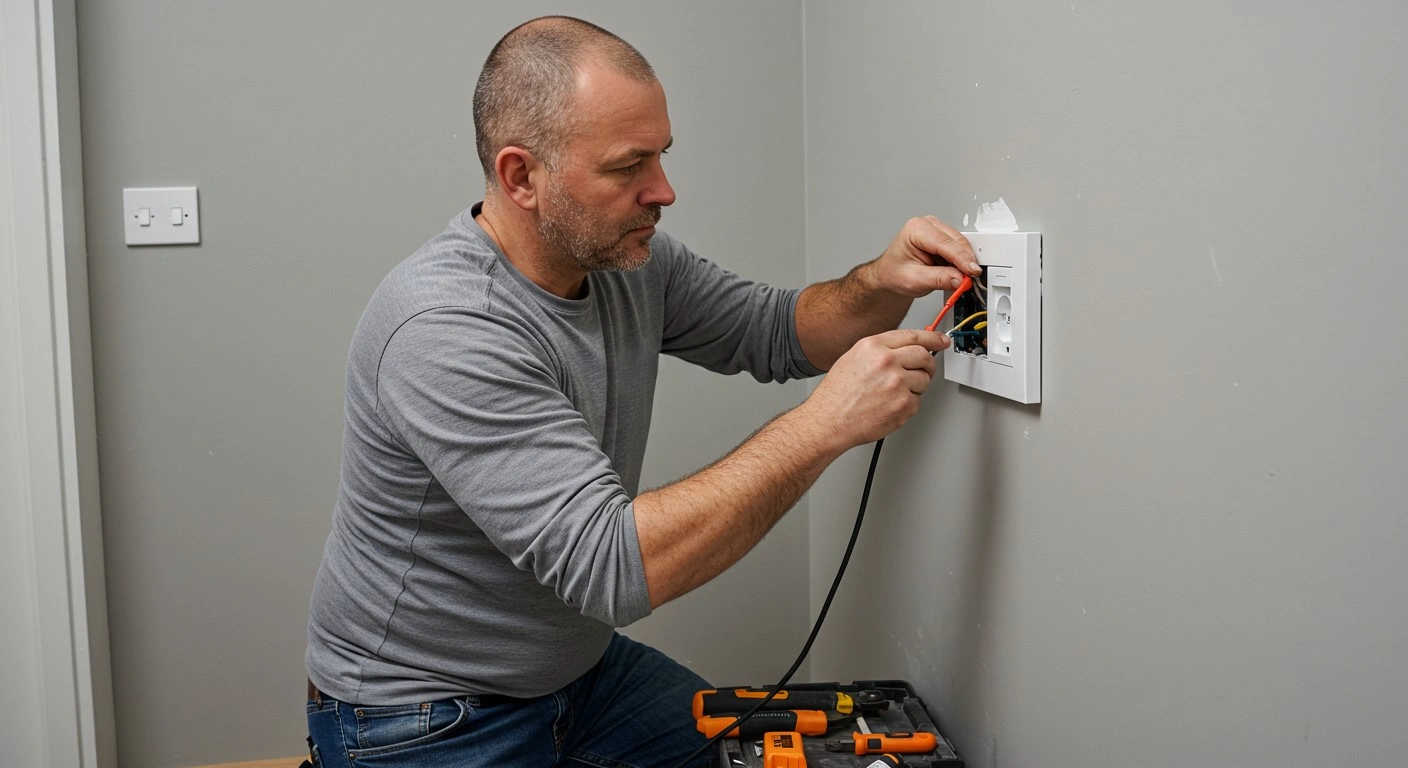
We’ve spent 25 years offering Sydney families and business owners safety, value, and certainty. When safety depends on lights functioning during chaos, your provider matters. We provide expert insight, honest pricing, and family-style care that makes you feel supported every step of the way.
Key Criteria for Hiring a Testing Electrician
Look for fully licensed and insured providers who understand compliance and have documented experience. We’re proud to be the go-to name across Sydney for emergency lighting, combining personal service with leading expertise. You aren’t just a job – we make you part of our Olympic family network.
What to Expect From a Testing Quote
Our quotes outline every step, with no padding or mystery fees. Testing, reporting, basic adjustments, and optional maintenance plans are clearly listed. You’ll always know what you’re paying for – and why. That’s part of the trust we build across Sydney homes and offices daily.
Frequently Asked Questions (FAQs)
1. Can anyone test emergency lights in Australia?
No, only licensed electricians can carry out and certify legal emergency lighting tests in accordance with Australian Standards.
2. Who can certify emergency light compliance?
Certification must come from a licensed electrician qualified under AS/NZS 2293.2 to perform and document emergency lighting inspections.
3. How much does emergency light testing typically cost?
Costs vary based on the site, number of fittings, and access. At Olympic Electrical, we offer fixed, honest pricing without hidden fees.
4. What are emergency lighting certificate requirements in NSW and Victoria?
Certificates must confirm units passed function and duration checks, be endorsed by a licensed electrician, and adhere to AS 2293.2 guidelines.
5. How do you use a test key for basic checks?
A test key simulates a power outage by cutting the circuit temporarily. This helps see if the light activates, but it’s not a complete evaluation.
6. Are emergency lights legally required in small or residential buildings?
Requirements vary. Multi-dwelling and commercial buildings must have them. Single homes may not, unless used for short stays like Airbnbs or rentals.
When the Lights Go Out, So Does Peace of Mind
The real test hits when you least expect it — your emergency lights fail at the one moment they’re supposed to protect you. That sinking feeling isn’t just about safety; it’s about losing trust in a system designed to keep people safe.
If there’s even a flicker of doubt in your emergency lighting, it’s time to call a licensed professional. DIY fixes and guesswork can do more harm than good — and could leave your building vulnerable when you need light the most.
At Olympic Electrical, we test emergency lighting with care, skill, and full compliance – so you can breathe easy.
Reach out today and let us make sure your lights have your back.
