
An electrical risk assessment is a simple check of your workplace to spot electrical hazards, work out how likely they are to hurt someone, and decide what to do about them. If you run a business in Sydney, it’s one of the most useful safety jobs you can do, whether you have a small shop in Bondi or an office in the CBD.
Under the work health and safety laws in NSW, businesses have a duty to manage risks to the people who work at, or visit, their premises. Electrical risks are part of that. Plenty of owners aren’t sure where to start, so this guide covers the basics, the process SafeWork NSW sets out, and when to bring in a licensed electrician from Olympic Electrical.
What Is an Electrical Risk Assessment?
It’s a step-by-step look at your premises to find electrical hazards, weigh up the risk, and put sensible controls in place. The Work Health and Safety (WHS) Act 2011 sets the duty to keep a workplace safe, and that includes spotting hazards like:
✔ Faulty or damaged electrical equipment
✔ Overloaded circuits and power boards
✔ Exposed wiring or worn insulation
✔ Missing residual current devices (RCDs) or safety switches
✔ Equipment used in wet or dusty areas
✔ Gaps in maintenance and testing
The point isn’t paperwork for its own sake. It’s a workplace where your team can get on with the job without worrying about shocks, burns or fires.
Why Electrical Risk Assessments Matter for Sydney Businesses
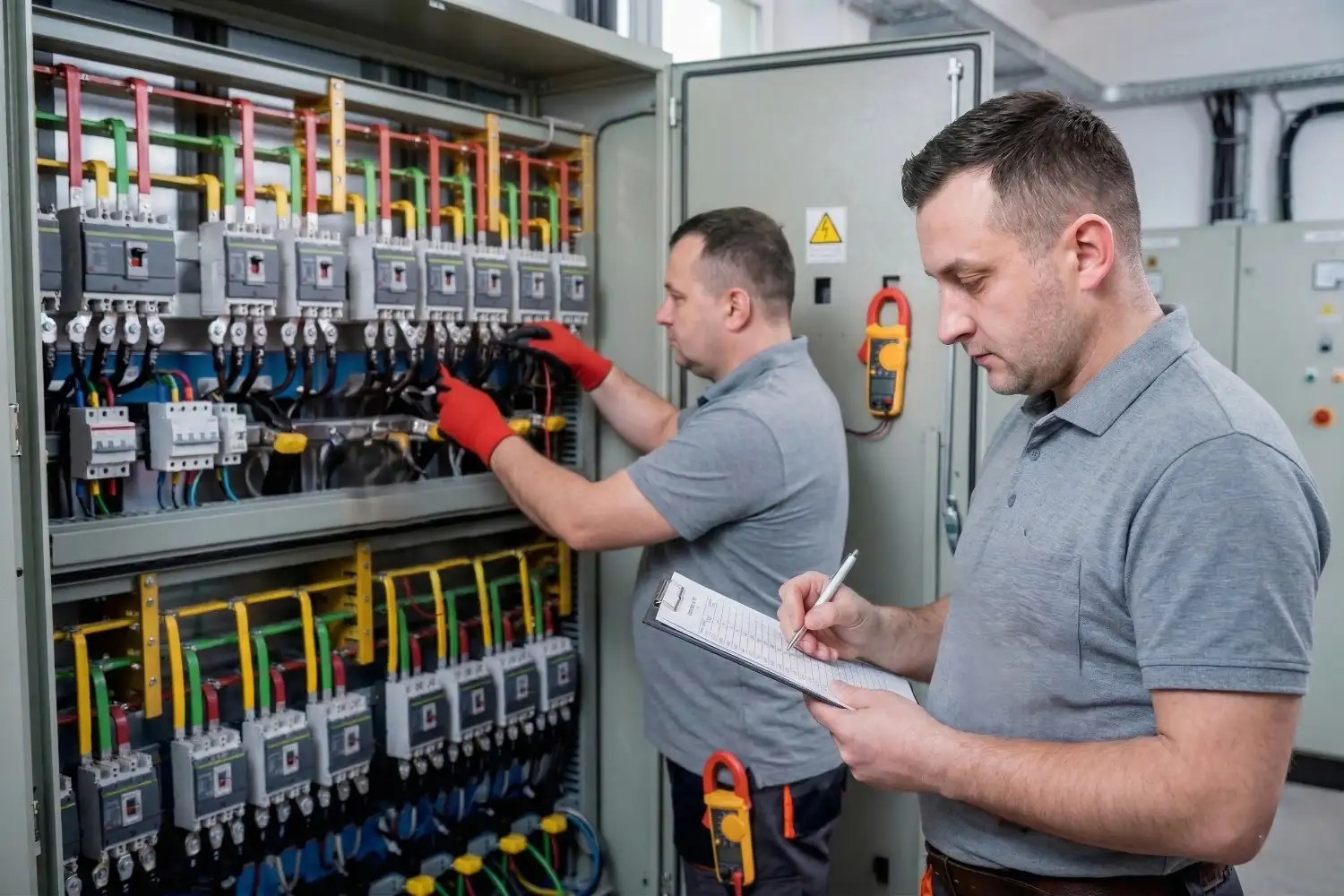
A workplace can look fine and still have problems. Electrical faults often build up slowly, out of sight, until something fails. Here’s why a regular assessment is worth the time.
1. Legal Duties
Business owners have duties under the WHS laws to identify and manage hazards. SafeWork NSW can tell you what applies to your workplace, and it’s worth checking with them if you’re unsure.
2. Workplace Safety
Electrical hazards can cause shocks, burns, falls and fires. Finding them early protects your staff, customers and contractors.
3. Insurance Questions
Insurers may ask about the condition of your electrical systems and the records you keep. Check your policy wording, and keep inspection reports and certificates in one place.
4. Business Continuity
A sudden electrical failure can shut a shop or office for a while. Spotting tired switchboards and overloaded circuits early helps you avoid unplanned downtime.
5. Staff and Customer Trust
People notice when a workplace takes safety seriously. It shows in the way equipment is looked after and in the records you can show.
The Four-Step Electrical Risk Assessment Process
SafeWork NSW sets out a four-step approach to managing risks. It works well for electrical hazards too.
Step 1: Identify the Hazards
Walk through the premises with a notepad. Look for damaged equipment, frayed leads, overloaded power boards, warm or discoloured power points and an old switchboard. Don’t skip the storeroom, kitchen, back office and outdoor areas.
Step 2: Assess the Risks
For each hazard, ask how likely it is to cause harm and how bad it could be. Think about wet areas, dust, heat, who is exposed, and how often the equipment is used.
Step 3: Control the Risks
Start with the best option: remove the hazard, for example by taking faulty equipment out of service. If you can’t, look at safer alternatives, isolating the hazard, or engineering controls like RCDs. Make sure staff know the safe work procedures. Anything involving fixed wiring or the switchboard needs a licensed electrician.
Step 4: Review and Monitor
An assessment is never one-and-done. Review it when you move premises, renovate, add equipment or have a fault or near miss. Keep notes on what you found and what you did about it.
Our team at Olympic Electrical follows these steps when we assess a workplace, and we keep the write-up plain and practical.
Key Electrical Safety Standards in NSW
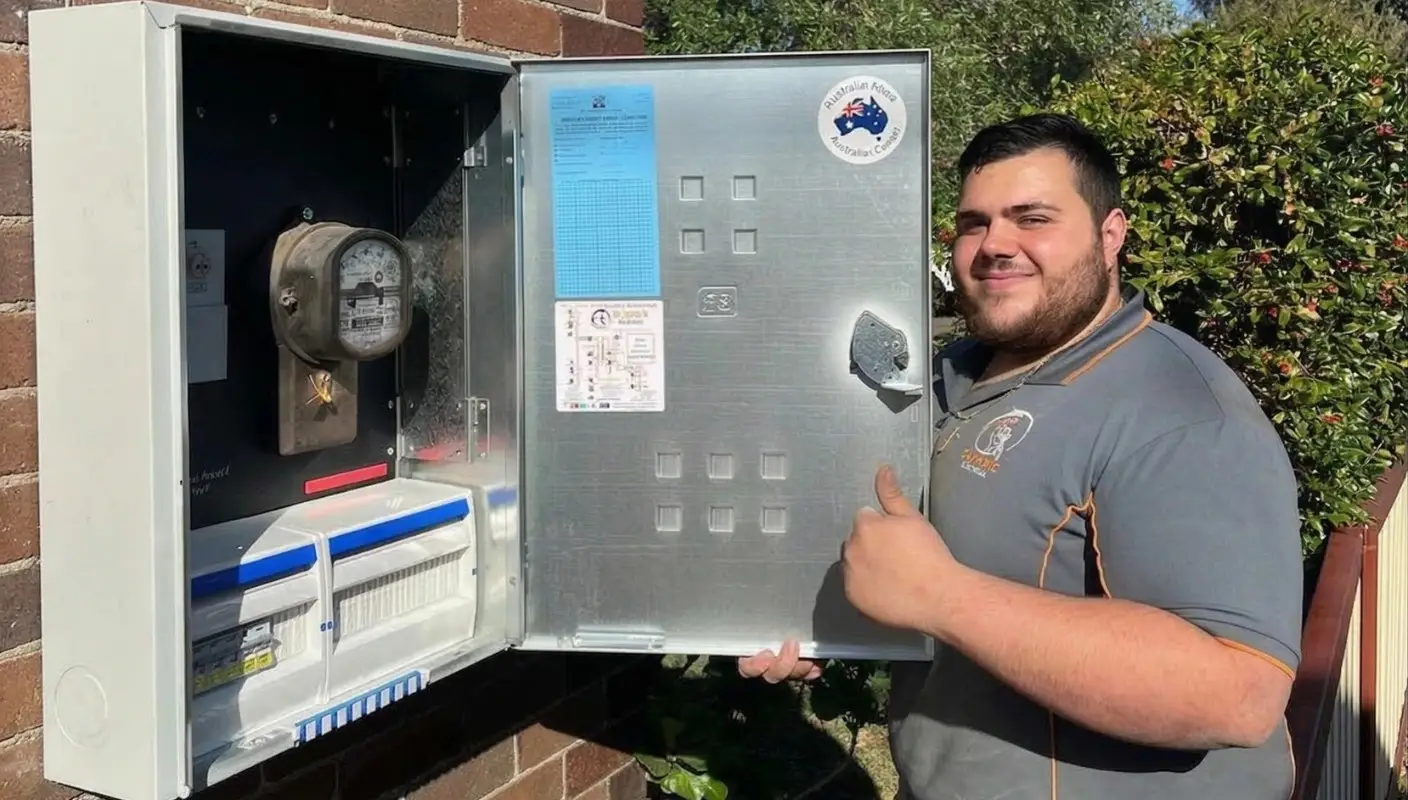
A few documents sit behind most electrical safety work in NSW workplaces:
1. AS/NZS 3000:2018 (Wiring Rules): the national standard for electrical installations. It covers things like circuit design and RCD protection.
2. Electrical Equipment Safety System (EESS): the national scheme that sets safety requirements for electrical equipment sold in Australia.
3. SafeWork NSW Codes of Practice: the Code of Practice for Managing Electrical Risks in the Workplace gives practical guidance on assessing and controlling electrical risks.
Rules and codes get updated, so check the current versions with SafeWork NSW or NSW Fair Trading.
When to Call a Licensed Electrician
You can do the first walk-through yourself. For the rest, call a licensed electrician:
✔ Electrical safety inspections and audits
✔ Testing and tagging of portable equipment, where it is needed
✔ Installing or upgrading safety switches and RCDs
✔ Switchboard inspections and thermal imaging
✔ Certificates of Compliance for Electrical Work (CCEW) after eligible work
At Olympic Electrical, we’ve been working across Sydney since 2017. We’ll look over your premises, point out the hazards, explain the fixes in plain English and give you the paperwork to show for it. Emergency callouts and same-day service are available when something can’t wait.
Take Action Today
If you haven’t looked at your electrical risks lately, or you’re not sure your workplace is on track, now is a good time to sort it out. A small fix today beats a big problem later.

Book an electrical safety assessment with Olympic Electrical and our licensed electricians will look over your workplace and explain what needs attention.
Call 02 8999 3691 or visit olympicelectrical.com.au for a free quote.
FAQs
1. How often should my Sydney business review its electrical risks?
There’s no one-size answer. It depends on your premises and equipment. As a rule, review whenever you move, renovate, add equipment or have a fault, and check with SafeWork NSW for guidance that fits your workplace.
2. Who can carry out an electrical risk assessment?
You can start with a walk-through yourself, but a licensed electrician should handle inspections, testing and anything involving fixed wiring. They can explain what they find and what to do next.
3. What are the most common electrical risks in commercial properties?
Overloaded circuits and power boards, damaged leads, tired switchboards, faulty appliances, missing RCD protection and extension leads used the wrong way. Catching them early helps protect people, stock and equipment.
