
You’re watching TV on a stormy evening when the lights flicker, the sound pops, and the screen goes black for a moment. That tiny glitch? It could be an electrical surge.
Electrical surges happen in less than a second but can push hundreds of extra volts through your wiring, damaging appliances and shortening their lifespan.
In fact, Energy Safe NSW warns that older wiring and unprotected circuits are among the leading causes of surge-related damage in Sydney homes.
At Olympic Electrical Services, we’ve seen everything from burnt-out fridges to fried smart TVs, all caused by preventable surges. That’s why we focus on installing proper surge protection and modern switchboard upgrades to keep homes safe and costs down.
Interested to learn more about the root causes of electrical surges? Please continue reading!
Understanding Electrical Surges
What is an Electrical Surge
Imagine flipping a switch, and suddenly your TV goes dark or your lights flicker sharply. That jolt is an electrical surge. A surge is a sudden, temporary increase in voltage within your home’s wiring.
Unlike simple fluctuations, a surge is more intense than a power spike and lasts longer than a quick blip. It can be triggered by grid instability, faulty appliances, or bad weather – all causing disruption beyond a regular voltage swing.
Common Characteristics of a Power Surge
If your lights dim and brighten for no reason, you’re likely seeing signs of a surge. Power surges can happen in milliseconds but pack enough force to do damage. They vary in frequency and intensity but often cause tripped breakers, humming outlets, or sudden device resets.
These unusual patterns are warnings that something deeper might be disturbing your home electrical balance.
How Surges Affect Your Home
Surges don’t just make devices flicker; they wear down internal systems silently over time. Your circuits can overheat or fail, and appliances may lose longevity from repeated hits. A fridge, for instance, might need repairs sooner than expected – not due to age but because of hidden voltage spikes.
Primary Causes of Electrical Surges
External Factors
Storm clouds don’t just bring rain – they often bring risk. One lightning strike near Ryde or Cronulla could send voltage flooding through your wiring.
Utility shifts, equipment breakdowns, or city-wide blackouts can all pump unexpected power back to your home, catching electronics off guard.
Internal Home Issues
A wall socket sparking or a breaker tripping every evening? You could be dealing with faulty wiring or outdated systems. Appliances like air conditioners or dryers pull heavy loads when activated leading to routine internal surges.
Homes in the Northern Beaches, known for power-hungry heating setups, face this issue more often.
Infrastructure and Device Failures
It’s not always storms to blame. Sometimes, the trouble starts when a worn appliance fails silently in the background.
Loose wires, ageing switchboards, and overworked circuits generate repeat surges that chip away at your home’s protection – common in suburbs with homes built before 1990, like Marrickville or Leichhardt.
Identifying and Assessing Surge Damage
Visual and Functional Symptoms in Devices
If your lights dim randomly or breakers flip too often, they’re waving red flags. Devices may suddenly stop working, chargers warm up unusually, or sparks appear when plugging in electronics. This kind of behaviour suggests surge effects under the surface.
Impact on Household Electronics
Ever wonder why your microwave died early or your computer lags despite being new? Small surges, repeatedly hitting over time, can degrade internal circuits. Sensitive equipment deteriorates faster, and repairs become more frequent than expected.
Safety and Fire Risks
Power surges don’t just ruin gadgets – they can light up wiring that’s already weak. Hot outlets and buzzing switches increase fire risk, especially when old fuses or brittle wiring can’t handle the jolt. That’s not a flicker to ignore.
Protective Solutions for Your Home
Surge Protectors and Suppressors
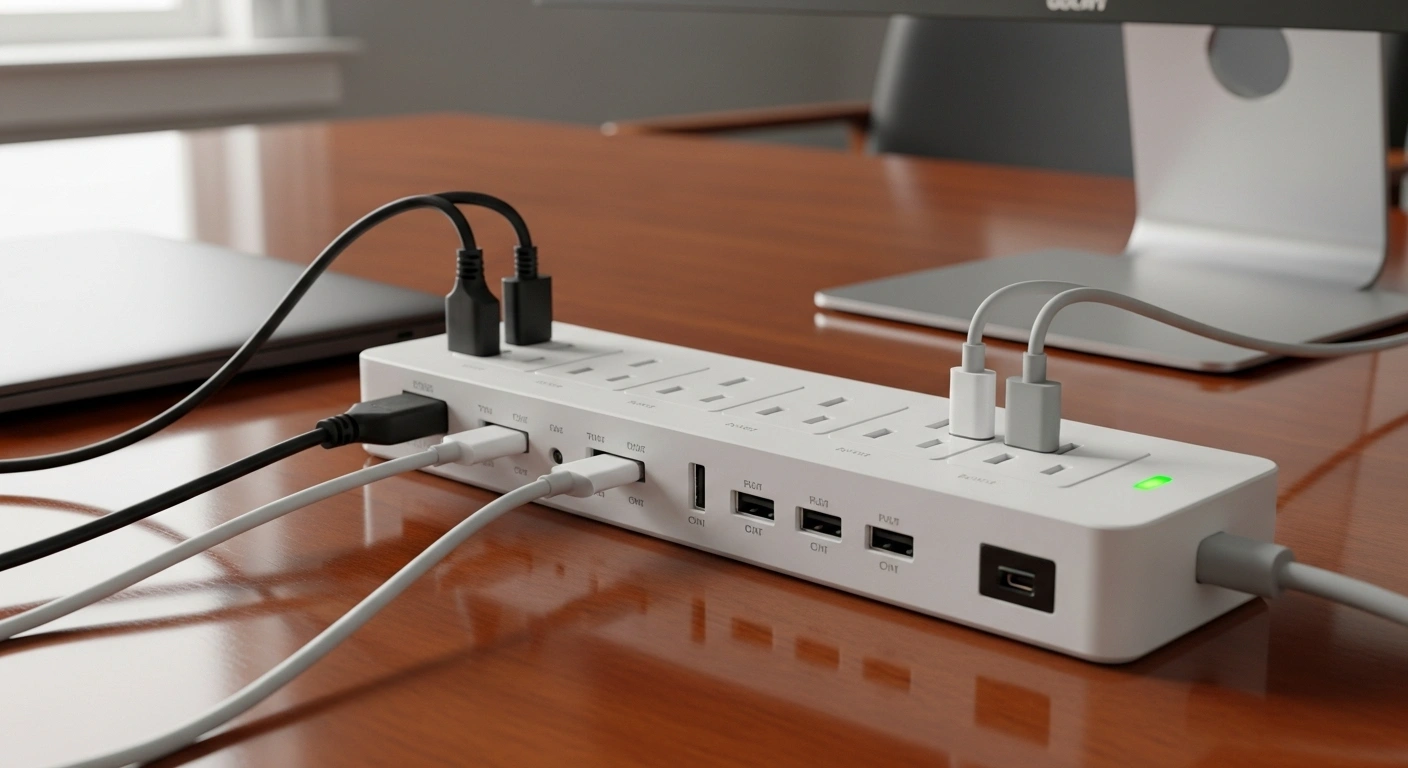
Not all protectors are created equal. We install Type 1 protectors at the main switchboard for external surges, Type 2 for whole-home defence, and Type 3 at plug points. Whether it’s a fridge or a flat-screen, having all three layers guards your setup from the start to the socket.
Role of Other Devices
While circuit breakers help, they aren’t built for surge defence. Adding a UPS helps sensitive devices like computers stay powered and protected. It also prevents data loss during sudden cutoffs or power dips.
Grounding and Safe Wiring Solutions
A well-grounded home absorbs excess energy and redirects it safely, sparing your equipment. Homes in the Inner West often suffer from poor grounding due to older wiring. We inspect and upgrade those systems to reduce instability risks.
Installation and Maintenance Considerations
Professional Assessment and Installation
If your switchboard buzzes or fuses trip under normal use, it might be time to call us. Our licensed electricians check and install surge solutions, upgrade switchboards, and issue compliance certificates for peace of mind.
Monitoring and Upkeep
Even good surge protectors wear out. If you’ve had the same one for years, it’s likely time for replacement. We recommend inspections during regular maintenance to spot any failing parts before they fall behind the next jolt.
Ongoing Home Safety Habits
Plugging all heavy appliances into one outlet risks overloads. Spread them out and note any signs of heating. Maintain a log for checks and installations – it helps make assessments faster and more accurate.
Comparative Overview of Surge Protection Devices
Type 1: Mainboard Protection
This is your front gate. Placed before electricity enters your home, it stops outdoor surges – especially from lightning or grid faults – before they travel through your system.
Type 2: Distribution Board Defence
Mounted at your switchboard, this layer handles internal surges caused by appliances or load switching across the house. It’s ideal for widespread defence.
Type 3: Plug-in/Point-of-use Defence
Great for fragile items like computers and home theatre systems. Installed directly on outlets, this is your behind-the-scenes shield for valuable personal devices.
Cost and Insurance Implications
Surge Damage Financial Impact
Replacing a $3,000 fridge or TV after a single surge isn’t rare. Multiple small surges can also ruin circuits over time, turning short-term savings into expensive losses.
Insurance Considerations
Most insurers expect protection systems in place. Without one, your claim for electrical damage might be denied. We help you stay compliant with safety laws and insurance standards through certified system checks and installations.
Choosing Cost-effective Solutions
Relying on cheap powerboards won’t cut it. A whole-house installation costs less than replacing a few appliances. We make sure your investment protects every device and meets all safety requirements with lifetime labour backing.
When to Call a Professional
Safety-Critical Situations
If you’re facing recurring flickers or unexplained outages, it’s more than an annoyance – wiring fault could be hiding danger. Any frequent surge is a loud alert to call us before it turns costly or damaging.
Expert Services
Our licensed team serves across Sydney – from Marrickville to Cronulla – with same-day support. We detect what’s not working before it sparks trouble. From switchboard checks to full surge protection systems – we’ve got you covered.
FAQ
1. How do I tell if my home just experienced a power surge?
Your lights may flicker, devices might need resets, or a burning smell could follow a jolt. Tripped breakers are another common sign.
2. What’s the difference between a power surge and a blackout?
Power surges spike voltage suddenly. In contrast, blackouts cut power entirely. Surges hit fast and fade – but cause long-term harm.
3. Are surge protectors worth it for home use?
Absolutely. A surge protector can save thousands in electronics, especially in storm-prone zones or suburbs with outdated wiring.
4. How often should surge protection devices be replaced?
Check lifespan every 2–5 years or after a major surge event. If unsure, we assess their condition during maintenance visits.
5.Does my insurance cover damage from a power surge?
Some policies do – but only if your protection systems meet requirements. We help Sydney homeowners stay in compliance.
6. What is the safest way to power off devices during a storm?
Unplug devices before the storm hits. Don’t wait for the first flash. Turn off switches but also physically unplug sensitive electronics.
Sparks at Home Should Be from Joy, Not Your Wires
For over a decade, Olympic Electrical Services has been protecting Sydney homes and businesses from electrical risks.
Our team has handled everything from small home safety checks to major electrical upgrades for commercial sites, always focused on reliability, compliance and customer trust.
A single surge can damage appliances, weaken wiring, or even put your safety at risk. Surge protection saves more than electronics. It keeps your property safe, prevents costly repairs and gives you peace of mind whenever the power fluctuates.
Olympic Electrical Services has built its reputation on timely service, honest advice and solutions that last.
Book your surge protection check today. Keep your home safe, secure and powered with confidence.
Book a licensed electrician today.
