
Power outages have a knack for hitting at the worst possible time. The kettle is on, dinner is in the oven, and suddenly the whole house goes quiet. Whether it’s a summer storm, a network fault, or something inside your own switchboard, knowing what to do during a power outage keeps your family safe and your appliances protected.
After years of callouts across Sydney, we can tell you most outages are straightforward to sort once you know what to check. Here’s a clear, step-by-step guide for households and businesses when the lights go out.
Step 1: Check if it’s just your place
Before doing anything else, look outside. Are your neighbours’ lights on? Are the streetlights working?
If the rest of the street is bright, the issue is most likely inside your home. If everything is dark, it’s a network outage and your local distributor (Ausgrid, for most of Sydney) is already on the case. You can check the Ausgrid outage map online, or call the faults number on your electricity bill for an estimated restoration time.
It’s one of the most common calls we get: someone in a panic before realising the whole street is out and Ausgrid is already on it.
Step 2: Check your switchboard
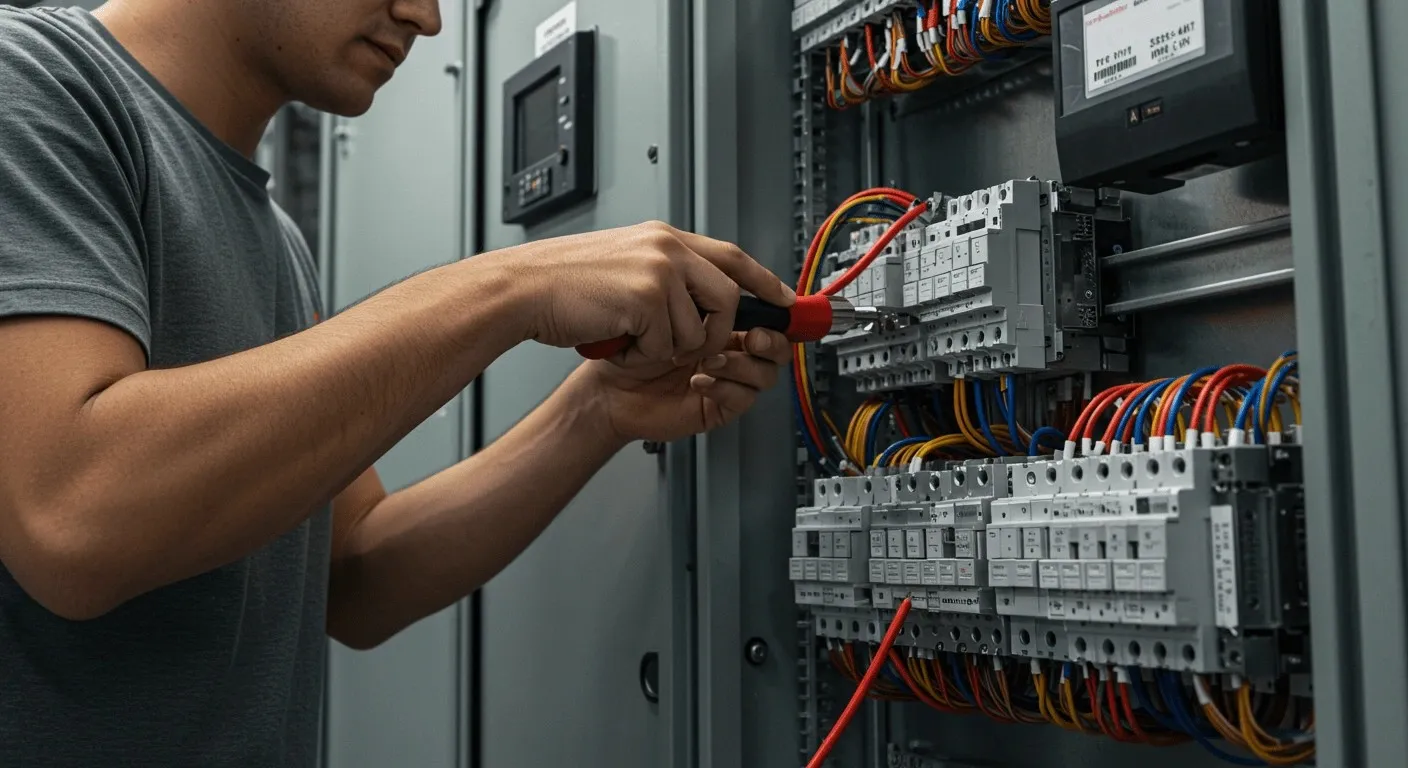
If only your home is affected, head to your switchboard and look for a tripped safety switch or circuit breaker. These are usually in the off or middle position.
Flip the switch fully off, then back on. If power returns, you’re sorted. If it trips again straight away, leave it off. In our experience, that’s almost always a faulty appliance, an overloaded circuit, or a wiring fault that needs a licensed electrician.
A switchboard that trips often, runs hot, smells of burning, or still has old ceramic fuses is overdue for an upgrade. If yours is showing its age, our switchboard upgrade service can sort it out with modern circuit breakers and RCDs that meet current Australian standards (AS/NZS 3000:2018).
Step 3: Switch off your appliances
When power suddenly returns, it can come back with a surge. That spike is enough to damage TVs, computers, fridges, microwaves, and anything else sensitive that’s still plugged in.
Turn off and unplug the big stuff: ovens, washing machines, air conditioners, dishwashers, computers, and home entertainment gear. Leave one light switched on so you’ll know the moment power is restored. The appliances we see fail most often after a blackout are fridges, modems, and TVs that were left running through the surge.
Step 4: Use safe lighting

Reach for a torch, headlamp, or battery-powered LED lantern rather than candles. Open flames are a common cause of house fires during blackouts, especially with kids, pets, or curtains nearby.
Keep a couple of torches, a charged power bank, and fresh batteries in an easy-to-find spot. If you do use candles, never leave them unattended.
Step 5: Protect your food and stay comfortable
Keep the fridge and freezer doors closed. A full freezer can hold its temperature for up to 24 to 48 hours, while a fridge will keep food safe for around four hours.
Dress in layers if it’s cold and open windows if it’s warm. Avoid using gas stoves, BBQs, or outdoor heaters indoors, as these can release dangerous carbon monoxide.
Step 6: Stay informed
Switch your phone to low-power mode and use it sparingly. A battery-powered radio is handy for emergency updates if the mobile network goes down. Save your distributor’s number and your local sparky’s number somewhere you can find them in the dark.
What to do once the power comes back
Wait around 10 to 15 minutes before plugging appliances back in. This gives the supply time to settle and avoids a sudden load on the circuits.
Then run a quick check around the house. Look for flickering lights, burning smells, blackened power points, or appliances that won’t switch on. On post-outage callouts, the faults we most often uncover are RCDs that won’t reset and damaged wiring behind power points that the surge has finally exposed.
If anything seems off, don’t try to fix it yourself. DIY electrical work is illegal in NSW and genuinely dangerous.
When to call an electrician
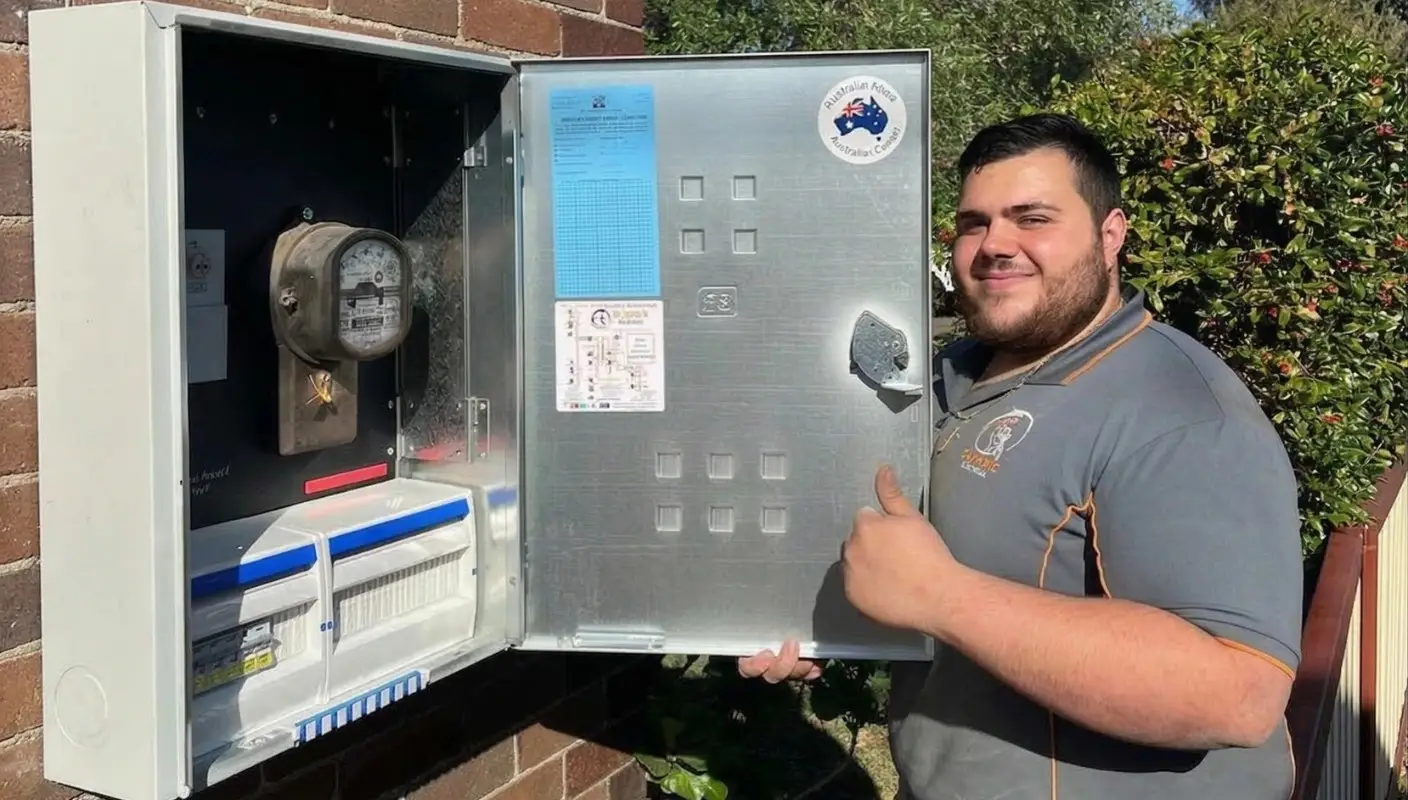
You should call a licensed electrician if:
✔ Your safety switch keeps tripping after a reset
✔ You smell burning, see sparks, or notice scorch marks near outlets
✔ Lights flicker when appliances run
✔ Power outages keep happening with no obvious cause
✔ Your switchboard is hot to the touch
✔ Appliances aren’t working properly after the power returns
These are warning signs of wiring faults, overloaded circuits, or an ageing switchboard that can’t cope with modern household demand. In NSW, all electrical work must be carried out by a licensed electrician and signed off with a Certificate of Compliance.
Need a Sydney electrician you can trust?
At Olympic Electrical, our family-owned team has been looking after Sydney homes and businesses for years, and we know what to look for after a blackout. From switchboard upgrades to emergency repairs, our licensed sparkies offer fixed pricing, same-day service, and a lifetime labour guarantee.
If you’re worried about your switchboard or stuck without power, get in touch with our team or call us on 02 8999 3691 for fast, friendly help.
