
Electrical hazards in the home are more common than most people think, and most of them are easy to spot once you know what to look for. Overloaded power boards, damaged cords, tired wiring and water near power are the usual suspects. The single most useful protection against electric shock is a safety switch, so that is where this guide starts.
We’re Olympic Electrical, a Sydney electrical team working since 2017. Here’s what safety switches do, how to tell if your home is properly protected, and when to call a licensed electrician.
Electrical Hazards in the Home: Understanding the Risk
Electricity is safe when everything is in good order. Problems start when something wears out, gets damaged or gets overloaded. Common hazards we see in Sydney homes include:
✔ Power boards with too many appliances plugged in
✔ Frayed or damaged cords and chargers
✔ Old wiring, or a switchboard with old-style ceramic fuses
✔ Power points or switches that are warm, cracked or discoloured
✔ Appliances and power tools used in wet areas or outdoors
✔ DIY electrical work that was never done by a licensed electrician
Take a quick look around your place. How many devices are plugged in right now? If the answer is “too many to count”, you already have one risk factor.
What Are Safety Switches?
You might be thinking, “Aren’t safety switches just fancy circuit breakers?” Not quite. Both protect your home, but they do different jobs. A safety switch (also called an RCD, or residual current device) constantly monitors the current flowing through a circuit. If it detects current leaking where it shouldn’t, for example through a person, it cuts the power very quickly.
A circuit breaker mainly protects the wiring from overloads and short circuits. A safety switch is there to protect people from electric shock. You want both.
How Safety Switches Protect Your Home
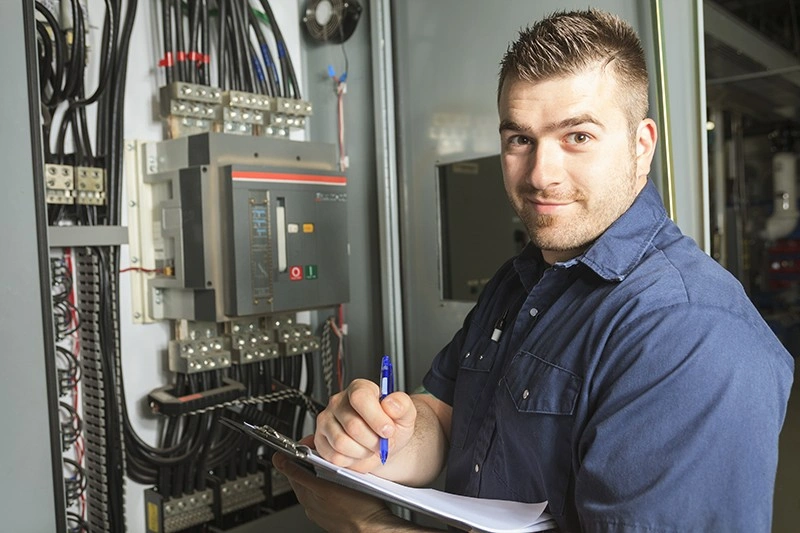
The biggest benefit is shock protection. If current leaks to earth through a person or a faulty appliance, a working safety switch can cut the power fast enough to reduce the risk of serious injury.
✓ Reducing Fire Risk:
Electrical faults can start house fires. Safety switches can help by detecting some faults, such as current leaking from damaged wiring, before they develop into something worse.
✓ Meeting the Rules:
RCD rules apply to new homes and some renovation work. The requirements are specific, so check with NSW Fair Trading or ask a licensed electrician what applies to your home.
✓ Protecting Appliances:
A safety switch is mainly about people, but tripping on a fault can also stop an appliance from being damaged further.
Types of Safety Switches for Your Sydney Home
Thinking about adding more protection? Good move. Here are the three main types you’ll come across:
- Switchboard Safety Switches:
These are fitted in your switchboard and protect the circuits connected to them. This is the main type for whole-home protection. - Power Point Safety Switches:
These are built into a single power point and protect what is plugged into it. - Portable Safety Switches:
These plug in between the power point and an appliance, and are handy for power tools or outdoor jobs. They are a back-up, not a replacement for protection at the switchboard.
Fitting or replacing a safety switch in your switchboard is not a DIY job. In NSW it has to be done by a licensed electrician. If you want to know where you stand, we’ll inspect your current setup, point out the high-risk circuits and recommend the right option. See our switchboard upgrade page for more.
Already have one? Press the test button on it regularly (the label on the switch tells you how often). If it doesn’t trip, call an electrician.
Common Misconceptions About Safety Switches
Plenty of people think they’re covered when they aren’t. These are the ones we hear most on service calls:
✓ “I already have circuit breakers, so I’m protected.”
Not for shock. Circuit breakers protect your wiring from overload. They are not designed to protect you from electric shock. Safety switches do a different job, and you need both.
✓ “My home is new, so it must have safety switches.”
Newer homes generally have some safety switch protection, but it may not cover every circuit. Ask a licensed electrician to check which circuits are protected.
✓ “One safety switch is enough for the whole house.”
Sometimes one switch protects several circuits, which means a single fault can knock out power to a lot of the house. How protection is split up depends on your switchboard, so it’s worth having it checked.
Partnering with Olympic Electrical for Your Safety Switch Needs
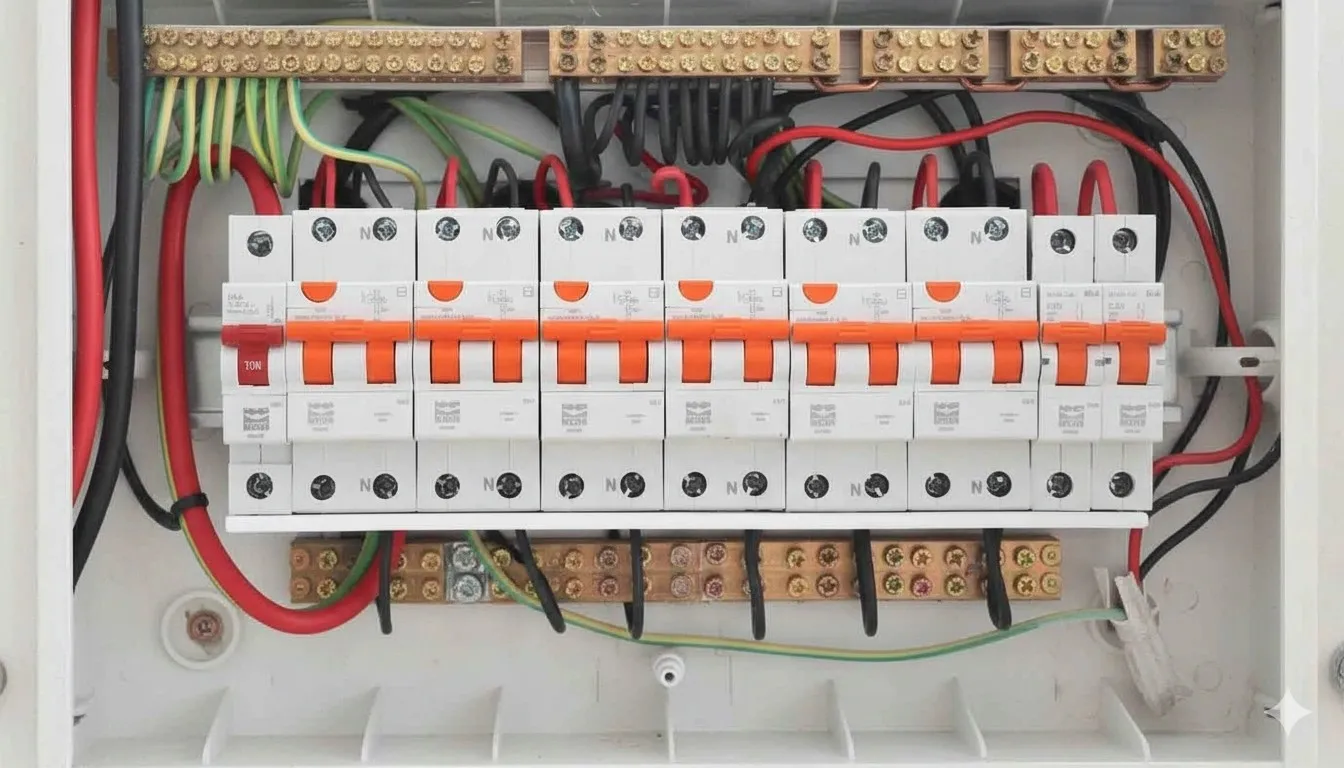
Our licensed electricians know Sydney homes, from older houses with original switchboards to newer builds. We’ll check what you’ve got, explain it plainly and recommend what suits your home.
You can leave everything from supply to installation to us. If something looks dangerous, don’t wait. Our emergency electrician team offers emergency callouts and same-day service.
Take the First Step Towards a Safer Home Today
Now that you know how safety switches protect your home, don’t wait for an electrical emergency to act. Book a safety switch assessment and we’ll go through the whole switchboard with you.
Our friendly team is happy to answer questions and explain your options before any work starts.

Call Olympic Electrical on 02 8999 3691 or get a free quote for a safety switch check-up.
